On June 12, 2026, The Hokkaido Shimbun featured the wood traceability initiative of a research unit within the collaborative research platform “Toward a Nature-Positive Future: Systematizing and Implementing Ecological Forestry Systems,” led by Dr. Tomoyuki Suzuki.
Creating New Value Through a Century of Natural Forest Research and Management
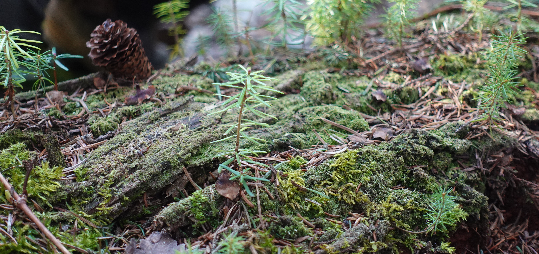
At Hokkaido University’s research forests, including the Nakagawa Experimental Forest, researchers have conducted long-term studies spanning several decades to more than a century, continuously recording the location, size, and growth status of every tree in natural forest stands.
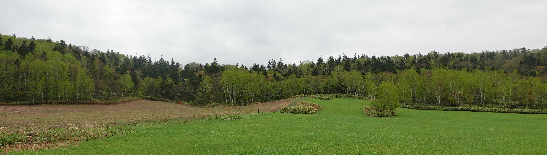
The research forests also serve as sites for the study and practice of selection cutting in natural forests, a sustainable forest management approach in which only mature trees are selectively harvested rather than clear-cutting entire stands. This method enables the sustainable production of timber while maintaining the diversity and ecological integrity of natural forests.
Wood Products Traceable to Individual Trees
However, establishing a system that appropriately recognizes the value of selection cutting in natural forests remains a challenge. Although this approach requires greater time and cost than clear-cutting, it enables timber to be harvested while preserving healthy, diverse forests.
To address this challenge, Dr. Suzuki and his team have introduced a wood traceability system that assigns a unique identification number to every piece of harvested timber. This system, still rare in Japan, makes it possible to trace each wood product back to the individual tree from which it originated.
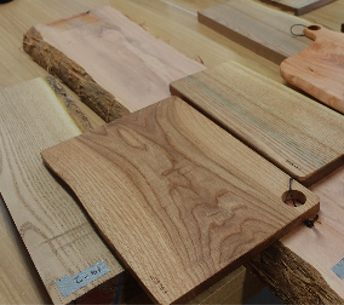
Furthermore, the timber is crafted into wood products such as cutting boards, chopsticks, and whisky aging sticks, each engraved with a unique identification number before being sold. The engraved number allows purchasers to trace the product back to the individual tree it came from, including when the tree was harvested and where it grew.
Making the Value of Forests Visible
By delivering the story of the forest—where each tree grew and how it was managed—together with the finished product, the initiative aims to help consumers understand the value of selection cutting in natural forests and promote sustainable forestry that utilizes forest resources while conserving healthy, diverse forests.